



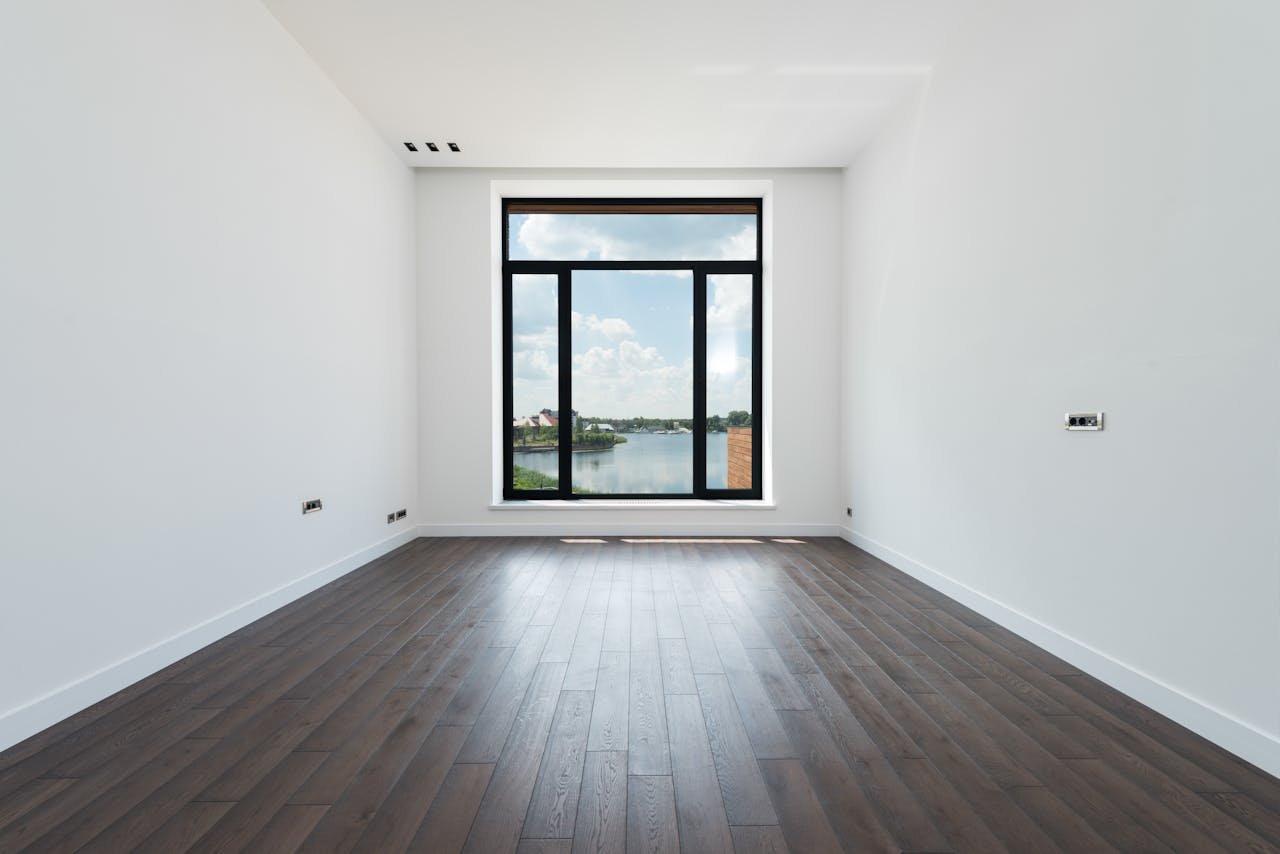
Ask any experienced fitter what separates a floor that lasts from one that lifts, cracks or sounds hollow within a year, and the answer is rarely the material. It is what happened before the material went down.
A flooring renovation is two jobs. The visible one is the tile, stone, plank or vinyl you choose. The one that decides how long it lasts is the preparation underneath: removing the old floor cleanly, checking the subfloor for moisture and flatness, levelling it, and installing with the right adhesive, joints and expansion allowances for Dubai's heat and humidity.
We approach flooring the way it should be done: assess the subfloor first, match the material to the room and the way you live, and install to standards you can see in the detail: level transitions, consistent grout lines, and skirting that finishes the job cleanly.
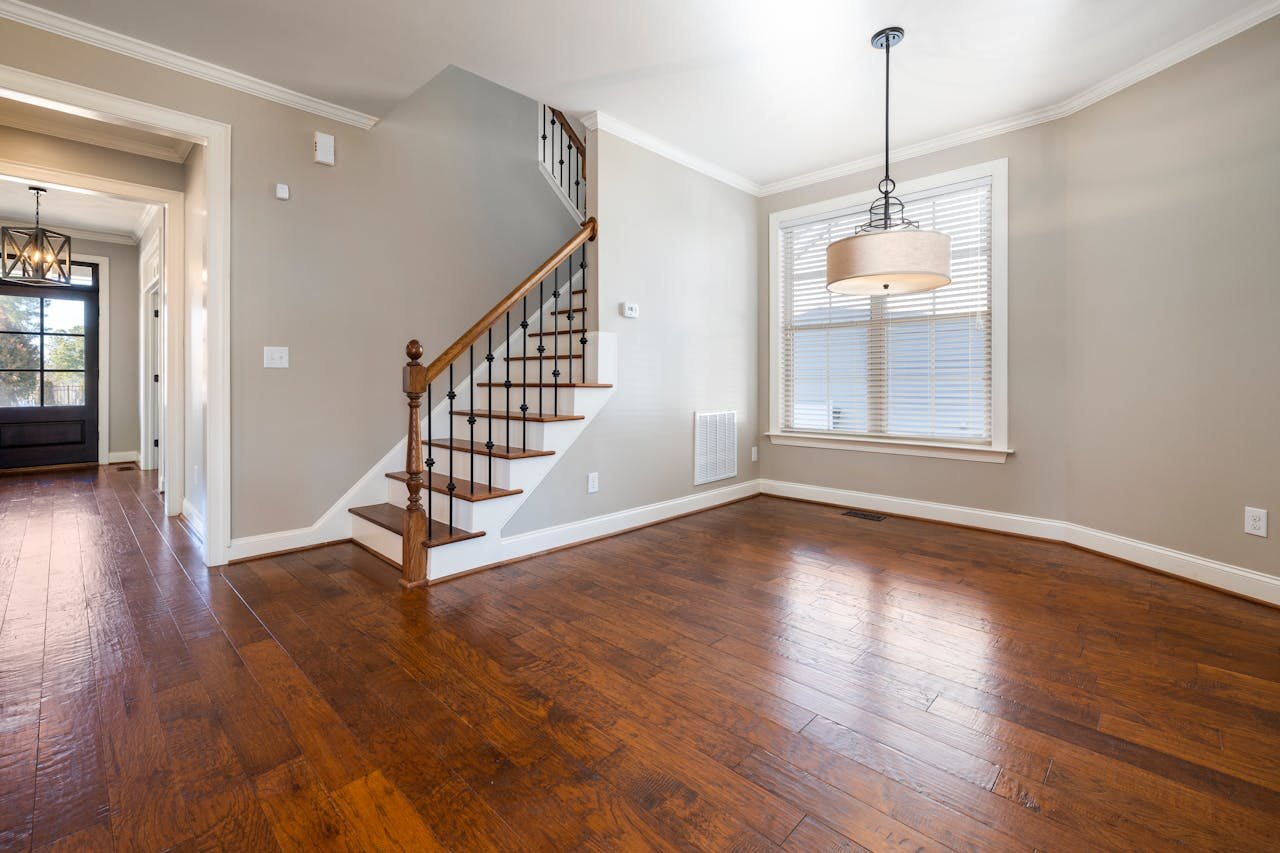
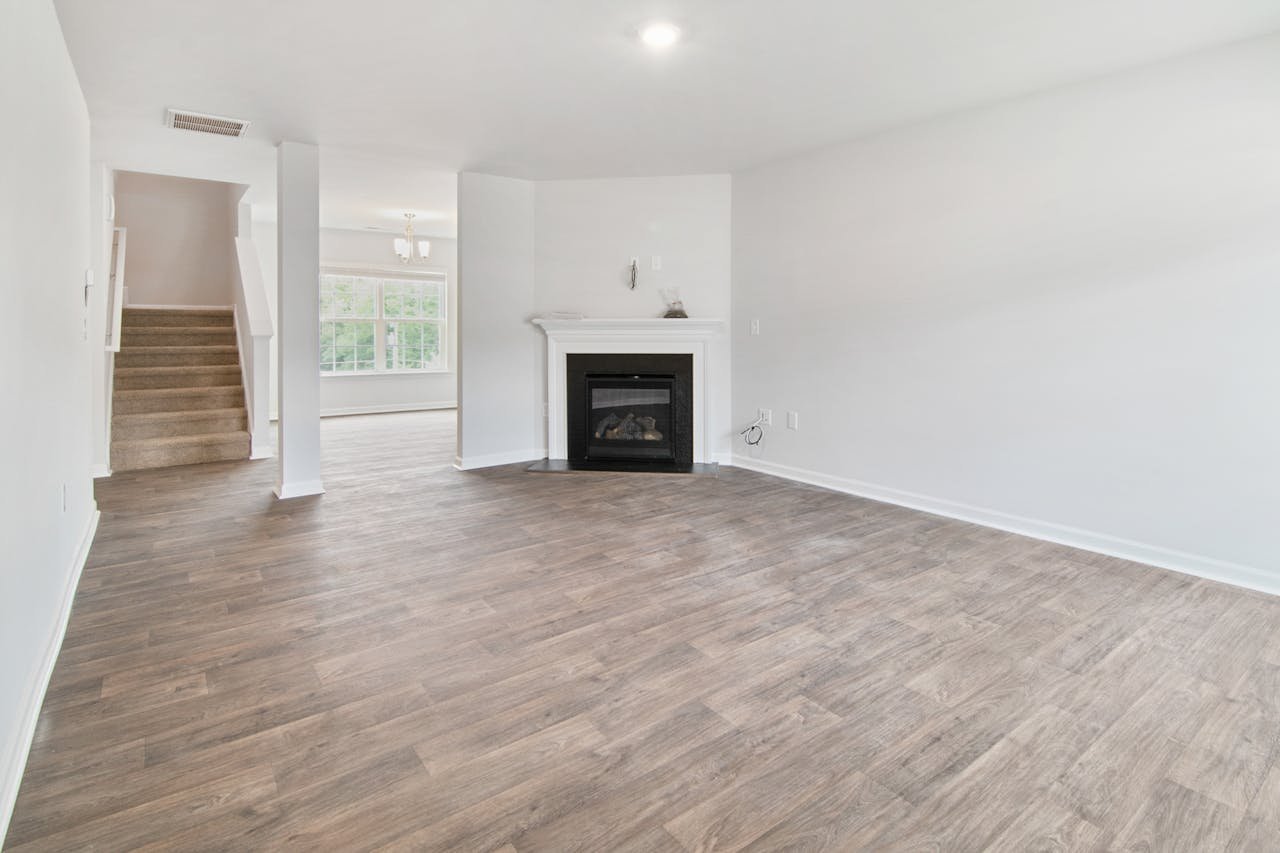
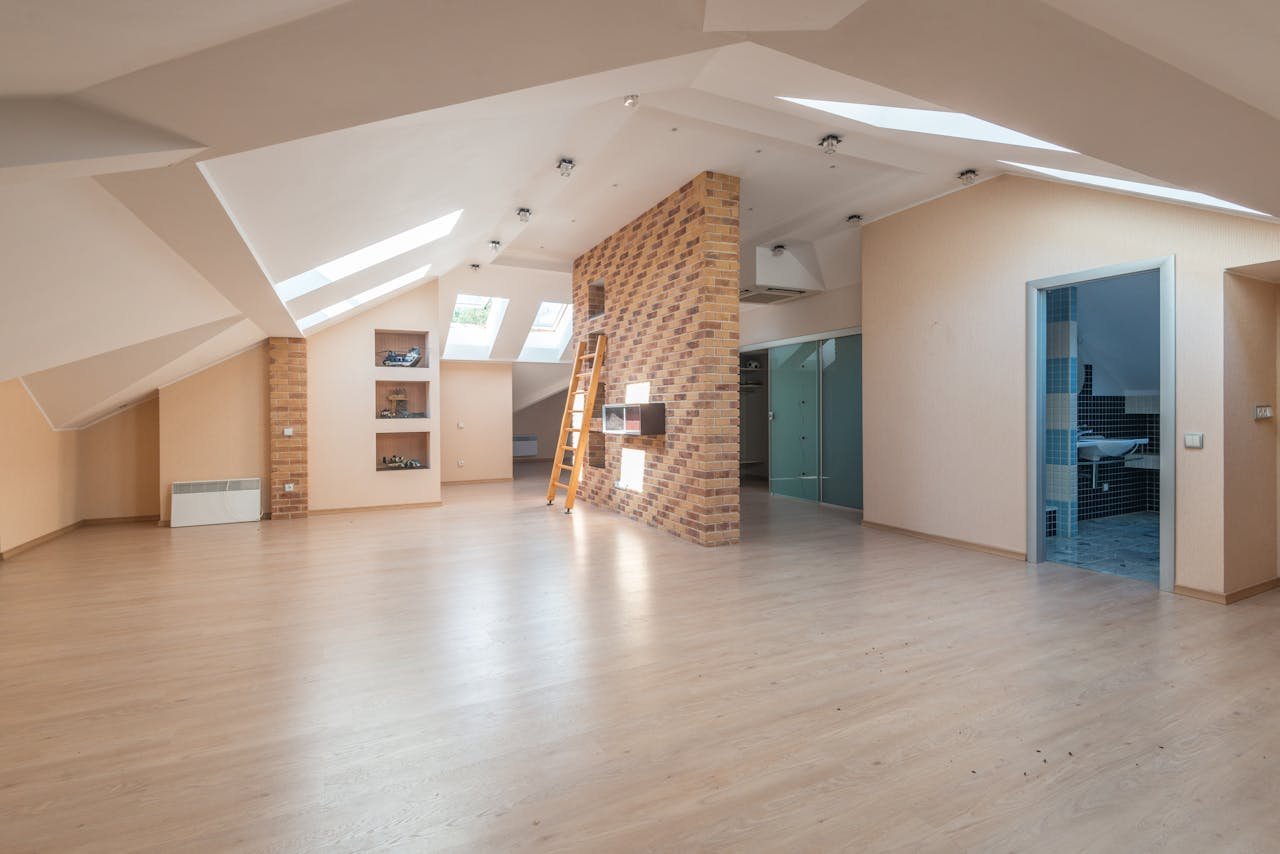
Flooring Renovation Services
Homeowners come to us for a dated floor, a damaged or lifting floor, a change of material during a wider renovation, or a full re-floor across a property. We cover all of it.
Supply and installation
We supply and fit new floors or install materials you've already sourced.
Replacement floors
Old floor removal, debris disposal and clean installation of the new surface.
Tile and stone laying
Large-format porcelain, ceramic and natural stone fitted with level detail.
Wood and vinyl
Engineered wood, laminate, SPC and LVT fitted for Dubai conditions.
Subfloor levelling
Moisture checks, crack repairs, screed and levelling compounds before installation.
Finishing and skirting
Grout, seal, transition profiles and skirting finished cleanly.
Flooring Installation and Replacement
A direct answer to a common question: you do not always have to remove the old floor, but you usually should. Tiling directly over existing tiles is sometimes possible, but it raises the floor height, complicates door and threshold levels, and hides any moisture or bonding problems underneath.
For a renovation meant to last, removing the old surface and preparing a clean, sound subfloor is almost always the better decision, and for wood or vinyl, it is essential.
Replacement sequence
- Lift and remove the existing floor
- Clear debris and inspect the subfloor
- Repair cracks and level the surface
- Apply waterproofing where needed
- Lay the new floor from the right starting point
- Grout or seal, then fit skirting and transitions
What matters in installation
- Correct layout and set-out
- Full adhesive coverage with no hollow spots
- Straight and consistent grout joints
- Expansion allowances for Dubai heat
- Clean transitions and edge finishing
Flooring Types and Materials
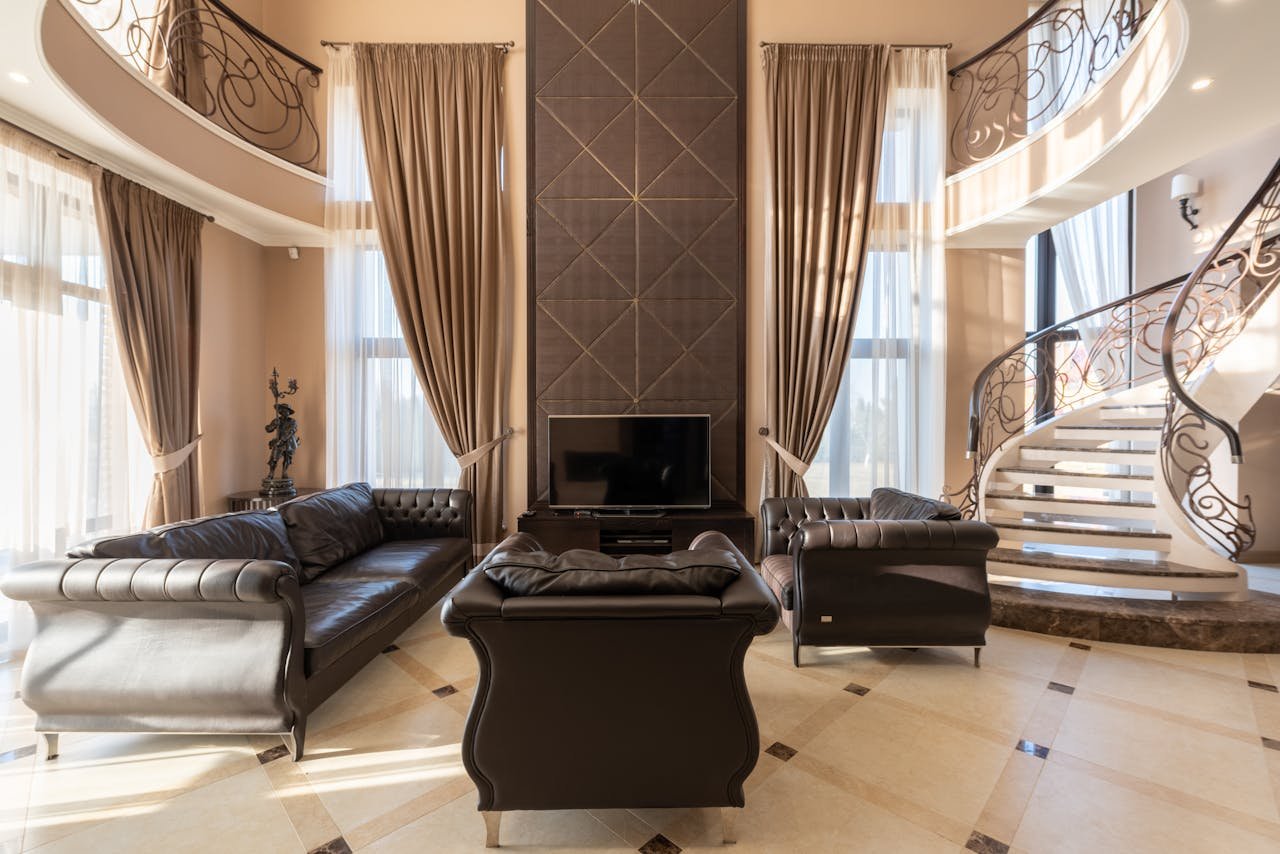
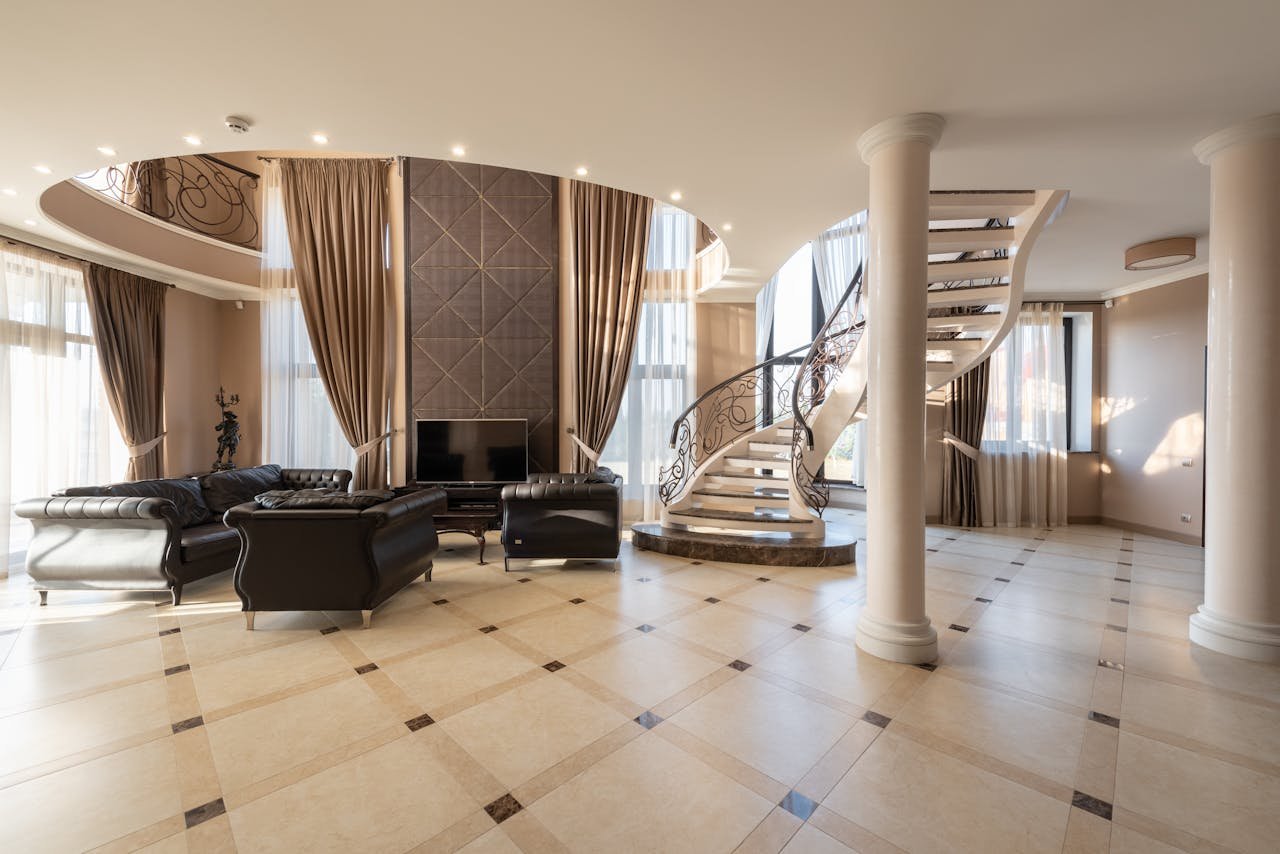
The best flooring is the one matched to the room, the traffic and Dubai's climate, not simply the most expensive. Porcelain is the workhorse of Dubai homes for good reason: it is hard, water-resistant, heat-tolerant and easy to clean.
| Flooring | Durability | Best for | Maintenance | Indicative cost (AED/m²) |
|---|---|---|---|---|
| Porcelain tile | Very high | Living areas, kitchens, bathrooms, high-traffic | Low | 90 - 250 |
| Ceramic tile | High | Budget-conscious rooms, walls, light traffic | Low | 60 - 150 |
| Natural stone / marble | High | Formal living, feature areas | Higher | 200 - 600+ |
| Engineered wood | Medium-high | Bedrooms, upstairs living | Moderate | 150 - 400 |
| Laminate | Medium | Bedrooms, low-moisture rooms | Low | 45 - 120 |
| Vinyl / LVT / SPC | High | Anywhere, including rental units | Low | 60 - 180 |
| Epoxy resin | Very high | Garages, utility areas, industrial-look interiors | Low | 90 - 250 |
Natural stone and marble bring a look nothing else matches, but they are porous, need sealing and realistic care. Engineered wood gives warmth underfoot and handles the climate far better than solid timber, provided it is laid over a dry, level, moisture-controlled subfloor.
Flooring for Different Areas of the Home
Living and dining areas
Large-format porcelain for traffic and a consistent open-plan look, or engineered wood and premium SPC for warmth.
Kitchens
Porcelain or waterproof-core vinyl works best under spills, heat and daily cooking.
Bathrooms
Water-resistant anti-slip tile over proper waterproofing keeps wet areas safe and durable.
Bedrooms
Engineered wood, laminate or vinyl gives a warmer and quieter feel.
Balconies and terraces
Outdoor-rated porcelain or specific natural stone only, never standard indoor tiles.
Rental units
Hard-wearing, neutral and low-maintenance floors that survive daily use and still look sharp.
How to Choose the Right Flooring
Start with three questions before you look at a single sample: how much traffic and water the room will see, how much maintenance you are willing to do, and what your budget is per square metre installed rather than just the material price.
From there, a few practical rules save regret. In high-traffic and wet areas, prioritise durability and water resistance over looks. If you want the warmth of wood, choose engineered wood or a quality wood-effect SPC over solid timber. For large open-plan spaces, large-format tiles with minimal grout lines look calmer and are easier to clean.
Flooring Renovation Process
- Site survey and measure. We assess the existing floor and subfloor, check for moisture and level, and discuss materials and room use.
- Design and fixed quote. You receive material recommendations and an itemised written quote covering removal, preparation, supply, installation and finishing.
- Approvals where needed. In many apartments and communities, floor work needs notification or approval from building management.
- Removal and subfloor preparation. The old floor is lifted, the subfloor is repaired and levelled, and waterproofing is applied in wet areas.
- Installation. The new floor is set out and laid with the correct adhesive, joints and expansion allowances.
- Grouting, finishing and skirting. Joints are grouted or sealed, transition profiles and skirting are fitted, and everything is cleaned down.
- Inspection and handover. We check the floor for level, hollow spots and finish, then walk you through care and maintenance.
Preparation, Removal and Subfloor Work
This is the section most companies gloss over, and it is the one that decides whether your floor lasts. Proper flooring renovation depends on a clean, dry, level and sound subfloor.
Removal comes first. Old tiles are lifted, adhesive residue is ground back, and the surface is cleared to a workable base. Next is assessment: we check the subfloor for cracks, for flatness and for moisture. Levelling follows, using a self-levelling compound or fresh screed where needed. Only when the base is clean, level, dry and, where needed, waterproofed do we start laying.
Flooring Cost Factors
Flooring renovation in Dubai typically costs between AED 60 and AED 250 per square metre supplied and fitted for most tile and vinyl options, rising to AED 400-600+ per square metre for natural stone and premium materials.
Material choice
The single biggest factor, from budget laminate to premium marble.
Removal of existing floor
Lifting and disposing of an old floor and grinding back adhesive adds labour.
Subfloor levelling
Screeding or heavy levelling is money well spent because it protects everything above it.
Area and layout
Large areas improve the per-metre rate, but many small rooms and awkward angles add labour.
Format and finish
Large-format tiles, natural stone and patterned layouts need more skill and time.
Waterproofing and finishing
Wet areas need waterproofing and every floor needs grout, sealing, skirting and profiles.
Expected Timeline
Most flooring renovations in Dubai take between a few days and two weeks, depending on the area, the material and how much subfloor work is needed. A single apartment room can be a day or two; a full villa re-floor, or a job needing screeding and drying time, runs longer.
The stage people underestimate is drying and curing. Levelling compounds, screeds and waterproofing need time to cure before the floor can go on top, and rushing it causes failures later. We build realistic curing and installation time into the schedule you get with your quote.
Dubai-Specific Flooring Considerations
Heat and thermal movement
Large tiled areas expand and contract with temperature, so correct expansion joints matter.
Humidity and moisture
The swing between air-conditioned rooms and humid air makes moisture control essential under wood and on ground slabs.
Dust and hard water
Easy-clean surfaces and sensible material choice keep floors looking good for longer.
Slip safety
Anti-slip finishes in bathrooms, kitchens and around water protect the home and the people in it.
Why Choose Us
Subfloor preparation first
Removal, moisture checks, levelling and waterproofing get the attention that makes the floor last.
One team with wider renovation work
Floors are coordinated with kitchens, bathrooms and finishes so levels and transitions line up.
Fixed, itemised quotes
Removal, preparation, supply, installation and finishing are separated clearly in the quote.
Detail you can inspect
Level transitions, grout lines, full adhesive coverage and clean edge finishing are all visible and deliberate.
Flooring Renovation FAQs
How much does flooring renovation cost in Dubai?
For most tile and vinyl floors, expect roughly AED 60-250 per square metre supplied and fitted, with natural stone and premium materials reaching AED 400-600+ per square metre.
How long does flooring renovation take?
Most projects take from a few days to two weeks, but subfloor drying and curing can extend the schedule.
Can you lay new flooring over the existing floor?
Sometimes, but usually you should not. Removing the old floor and preparing a sound subfloor is the better approach for a lasting result.
Which flooring is best for Dubai villas and apartments?
Porcelain tile is the most reliable all-round choice. Engineered wood and quality SPC suit warmer, softer spaces, while natural stone gives a premium look with more care.
What flooring is best for bathrooms and wet areas?
Water-resistant tiles with an anti-slip finish, laid over proper waterproofing, are the safest and most durable choice.
Do I need building approval to change flooring in my apartment?
Often yes. Many buildings and communities require you to notify or get approval from building management before flooring work begins.
Why do new floors crack, lift or sound hollow?
Almost always because of the subfloor: poor levelling, missed moisture, incomplete adhesive coverage or missing expansion joints.
How do I choose a reliable flooring contractor?
Look for a contractor who assesses and prepares the subfloor, gives a detailed written quote, and can show recent completed floors.
Let's get the floor right from the base up.
Book a consultation or request a quote, and we will survey your floors, check the subfloor, recommend materials suited to each room, and follow up with a fixed itemised quote.


